
Why constant mowing makes grass grow sideways
Cut a little off, most days, and the grass puts its growth into side shoots instead of shooting upward between weekend mows.
17 November 2026
Cut a lawn a little and often, and the grass grows sideways. That's the useful part of a robot mower. Leave it a week and it grows up. You then take a chunk off the top, and the next week it grows up again. Take the tip most days and the height barely moves, so the plant puts that growth into side shoots instead.
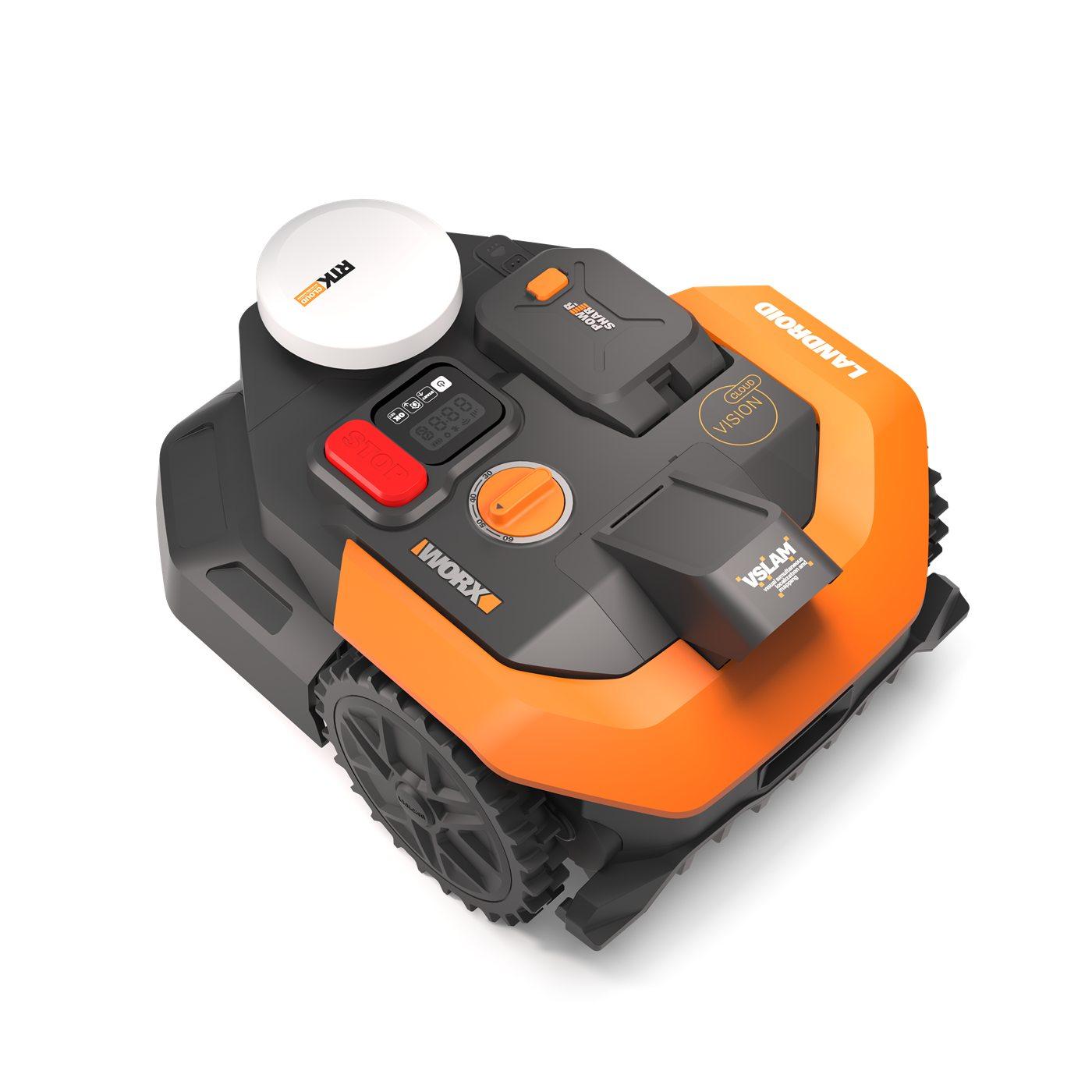
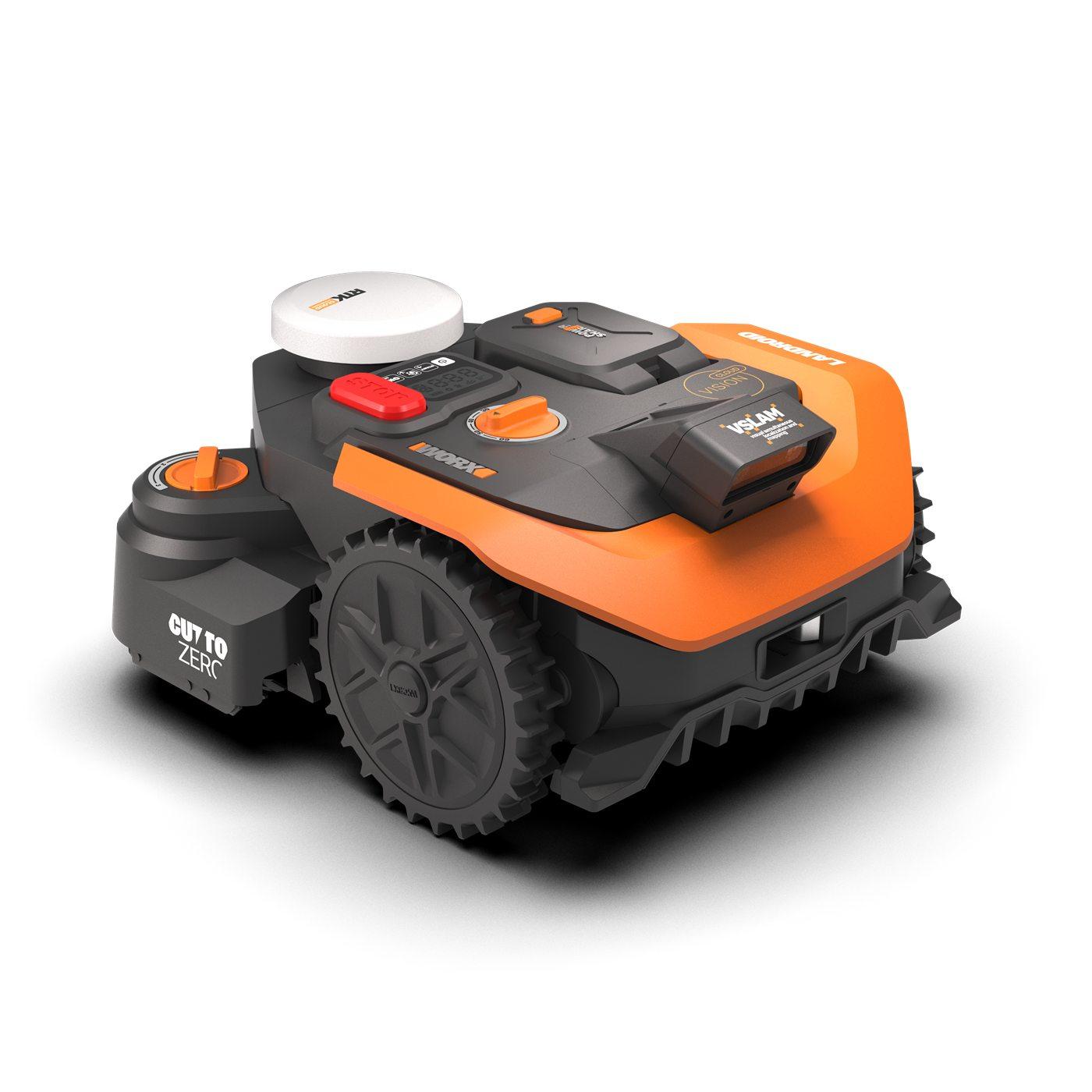
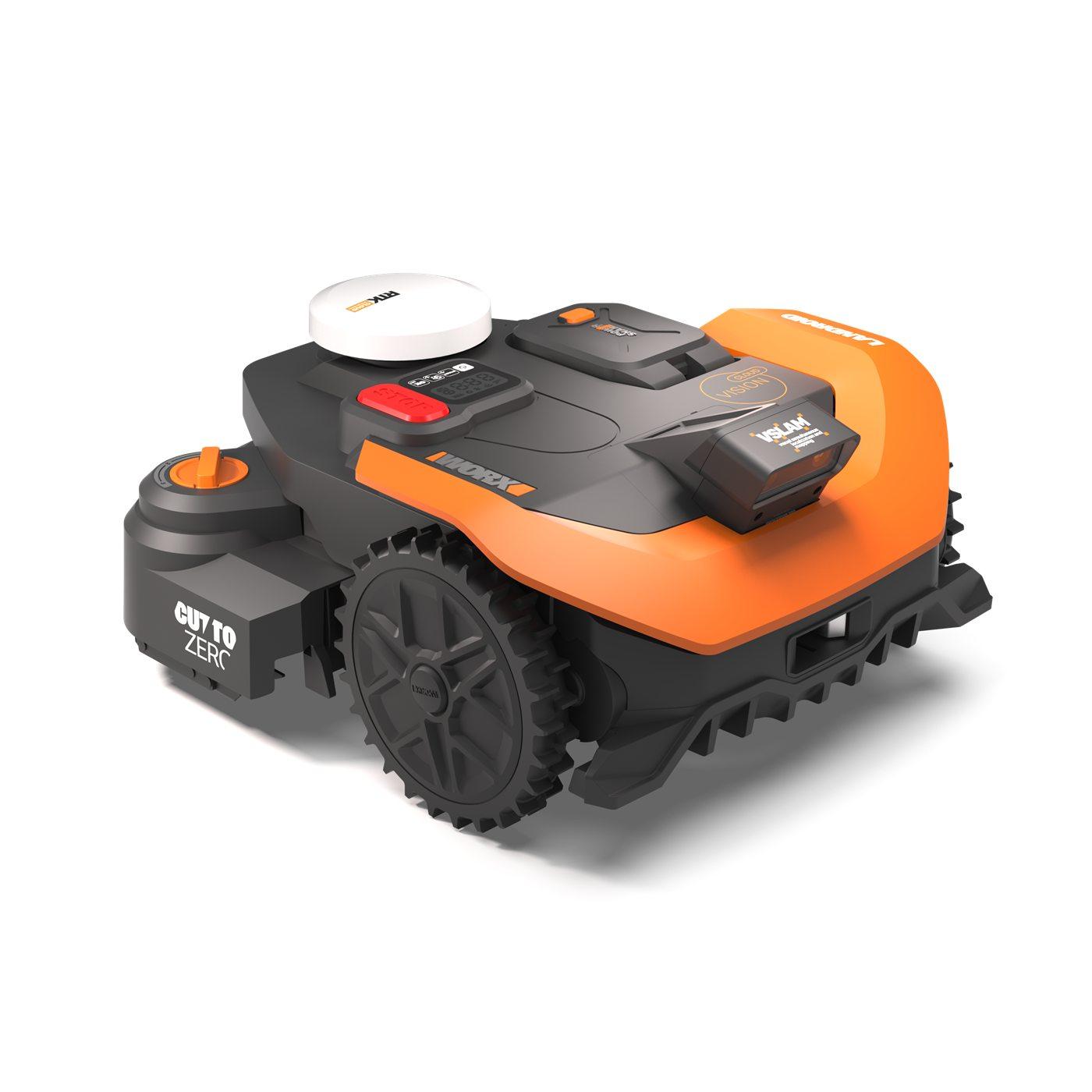
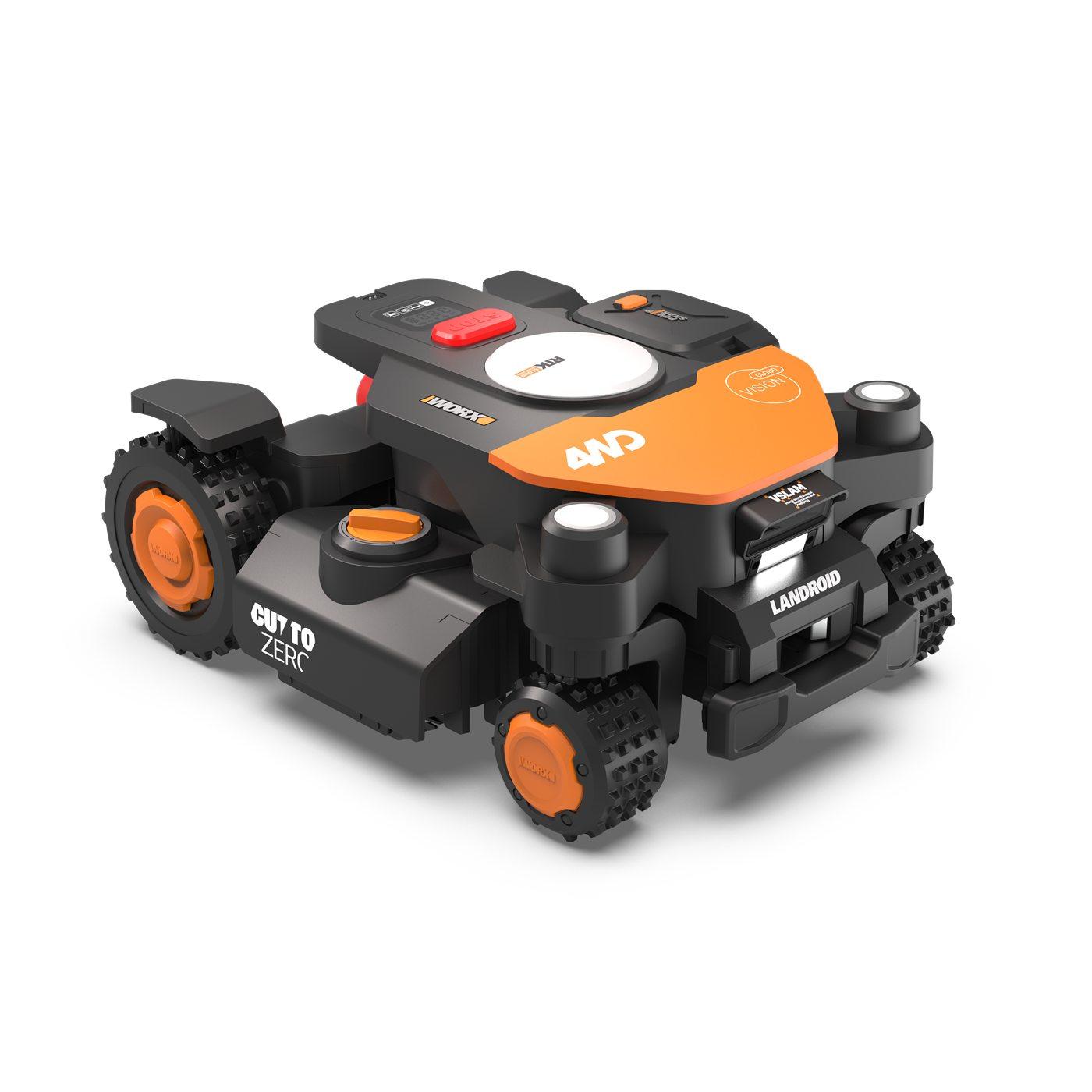
Worx Robotic Mowers NZ supplies and supports Landroid Vision Cloud. If you want the schedule set for your section, call 0800 807 333.
You can set one to mow every day, at whatever hour suits the house. On a lawn well inside the model's area, the same grass may be cut more than once between charges. Near the limit of the rating, charging included, one full cover can take longer than a day. What you're after is a height that stays put. It isn't a quota of passes.
Cutting the tip changes where the grass grows
The tip of a grass leaf carries the signal to keep growing up, and that signal holds the side buds back. Turf people call it apical dominance. Mow the tip off and the signal drops, so more of the growth comes from tillers, the shoots at the base of the plant. Do that regularly and those shoots sit closer together. The lawn knits into a mat instead of a stand of tall, thin leaves.
The Pacific Northwest turf handbook says the same thing without the lab word. Mow more often and the plant sends its energy into lateral growth rather than vertical growth. A denser lawn leaves less bare soil, and less bare soil means fewer weeds getting a start. Their minimum for a home lawn is once a week. A golf green, the extreme case, is cut daily when growth is strong. A robot sits toward that daily end, which is why the lawn looks different from a Saturday mow.
Frequency is not a reason to scalp. The same handbook keeps perennial ryegrass, common in New Zealand lawns, at about 40 to 65 mm. That overlaps the 30 to 60 mm range on the WR305EA, WR308EA and WR318EA. The WR344EA adjusts from 20 to 70 mm. Start at the higher end. Drop the height only once the lawn is dense enough to take it. A higher canopy also shades the soil, which is the other half of keeping weeds out.
What showed up on a tall fescue lawn
A 2016 trial at the University of Pisa, published by Grossi and colleagues in HortTechnology, compared a robot mower with a petrol walk-behind rotary on tall fescue. Both machines returned the clippings, and both were tried at the same fertiliser rates, so the difference was the mowing. The robot ran about 10 hours a day on a 1296 m² plot, part of that spent charging. The rotary did the same area in about an hour a week.
By the end, the robot-mown turf was denser: 3.2 shoots per square centimetre, against 2.1 under the rotary. The leaves were narrower, 2.1 mm against 2.7 mm. Quality was scored higher, 7.3 against 6.4, and weed cover was lower, 6% against 9%. Estimated energy use was about 4.8 kWh a week for the robot, against 12.6 kWh for the petrol mower. The paper is here.
Disease did not change. Nor did the mark they gave the cut itself. The thicker, finer lawn was real. Less fungus was not, at least not in that trial. A torn leaf is still a poor finish, and a dull blade still tears. That's a reason to change blades. It isn't a reason to say the mower will stop a fungal infection.
The clippings stay where they fall
Each pass only takes the tip, so there's no heap to rake. The pieces are short enough to drop into the canopy and break down, and the lawn gets some of that leaf back. You don't need a catcher to keep the place looking kept.
This falls over if you start from a lawn that has already got away. Long grass, seed heads and a mat of clippings from a rescue cut will not vanish just because the robot visits every day. Do that first cut with an ordinary mower, then let the robot hold the height. What people get wrong about robot mowers is the longer version of that limit.
Sharp enough, because the cut is small
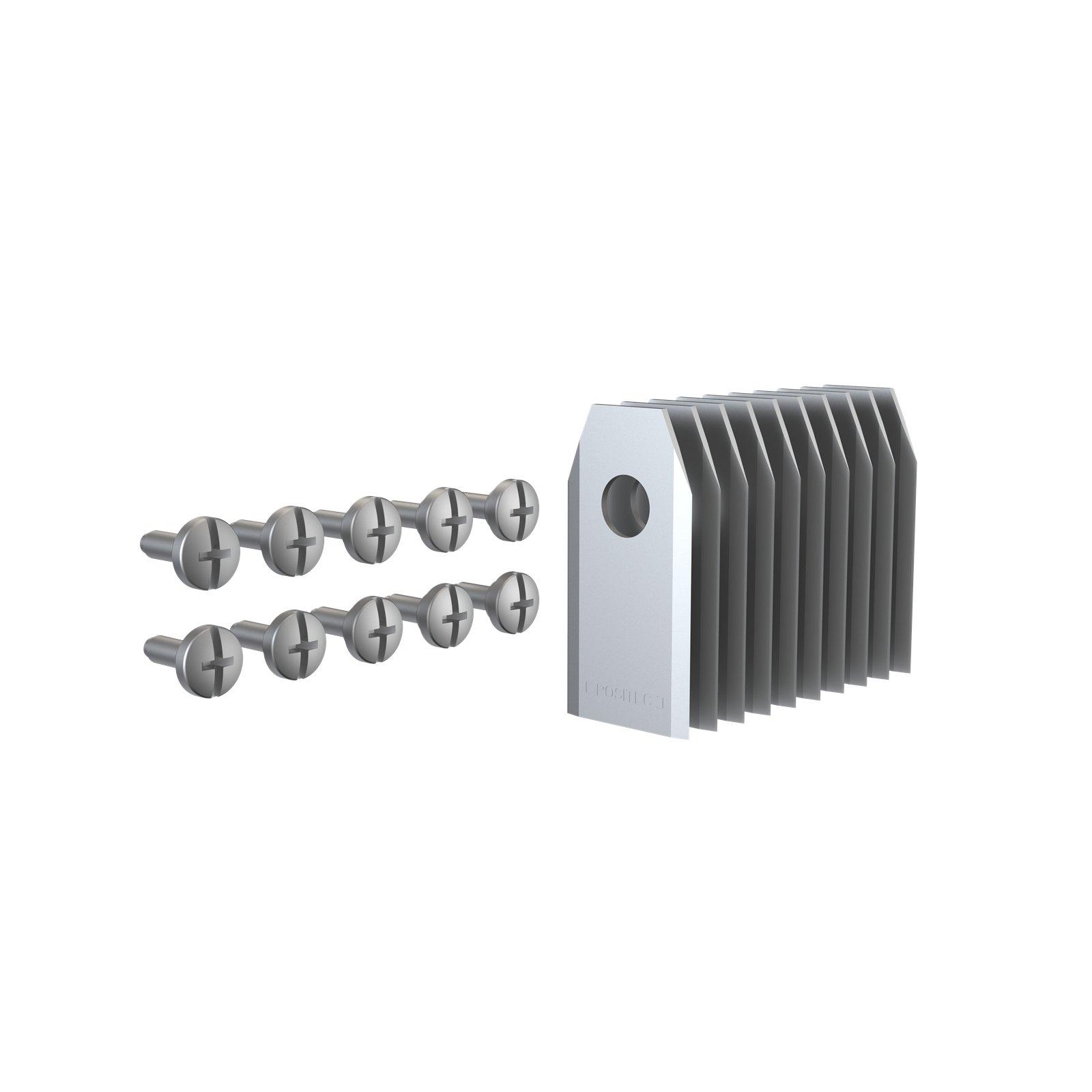
Vision Cloud cuts with a spinning disc and small blades you replace rather than sharpen. A pack of 10 stainless blades, the WA0720, is $49. They are not permanent. Sand, sticks and a concrete lip will still dull an edge, and once it tears rather than cuts, the daily schedule won't hide it.
A robot blade often stays cleaner for longer because of how little it cuts, not because the steel is unusual. A weekly mower is asked to chew through a week's growth in one pass. A daily mower is only taking what grew since yesterday. Less leaf, less wear. When the tips start to fray, change the blades.
Set it for the season, not the calendar
In a New Zealand spring the lawn can need a cut most days. That's when a daily schedule earns its keep, including early morning, or after sunset if the mower can see. Why mowing after sunset suits a lawn covers the hedgehog side of night mowing. Through winter, growth stalls and a daily run is just wear on the blades and the wheels. Pause it.
Rain is the other pause. Wet grass tears, whatever the timer says. Let the lawn dry, then put the schedule back.
If you want a hand matching a model and a daily schedule to the section, call 0800 807 333 or use the mower chooser.
- #Explainers
Products in this article
Keep reading
 Robotic mowers · Learn & discover
Robot lawn mowers: what people get wrong
A robot mower keeps a lawn that is already under control. Here is what that means for size, slope, setup and rain in New Zealand.
17 November 2026 Robotic mowers · Learn & discover
Why mow after sunset? Evening mowing and a healthier lawn
In a hot New Zealand summer, mowing in the evening is kinder to your lawn. Here’s why, and how to do it safely for hedgehogs.
7 November 2026