
Robot lawn mowers: what people get wrong
A robot mower keeps a lawn that is already under control. Here is what that means for size, slope, setup and rain in New Zealand.
17 November 2026
A robot mower keeps a lawn. It doesn't rescue one. If the grass is long, tangled or taken over by weeds, the first job is still an ordinary mower. After that, the robot takes a little off, often, and the lawn stays even.
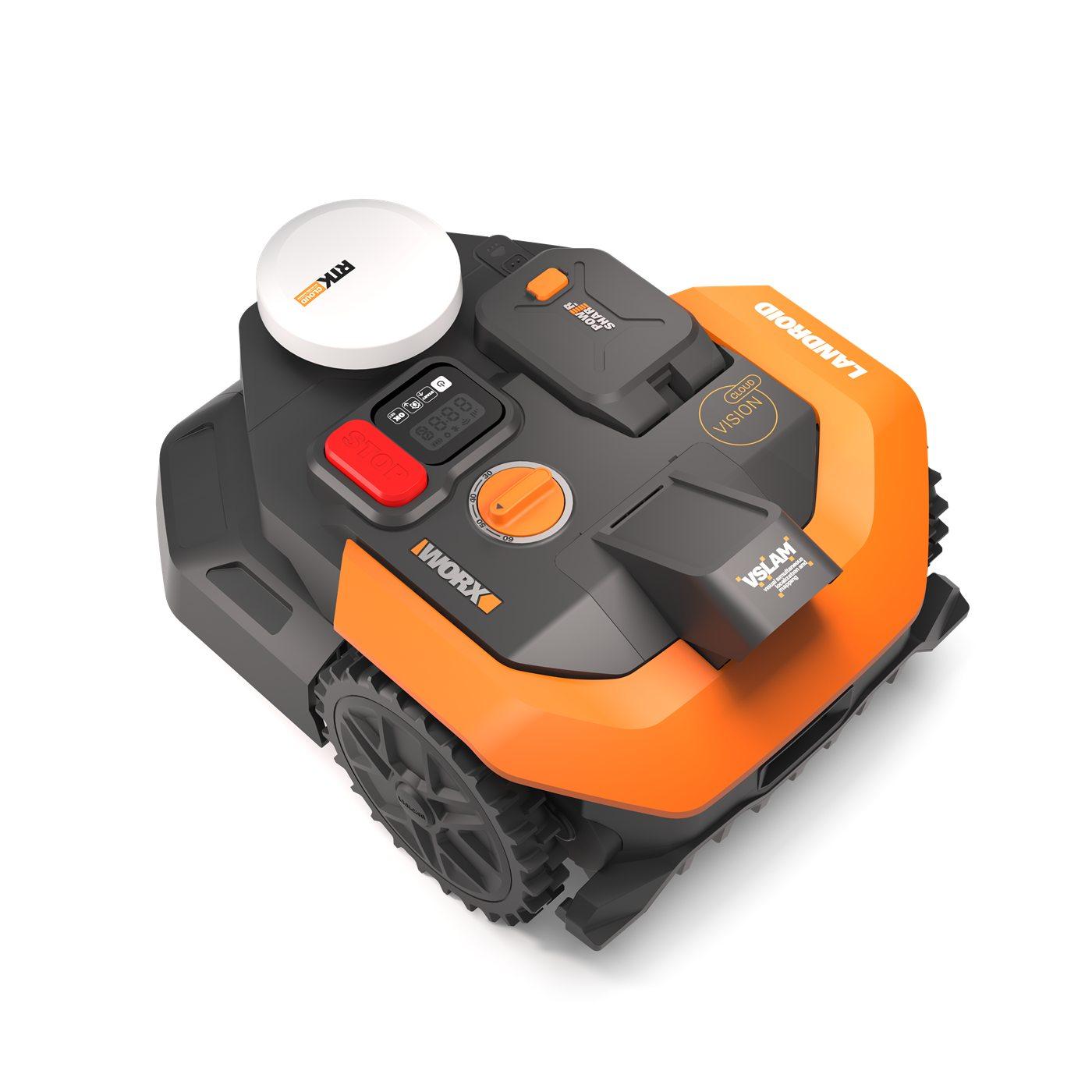
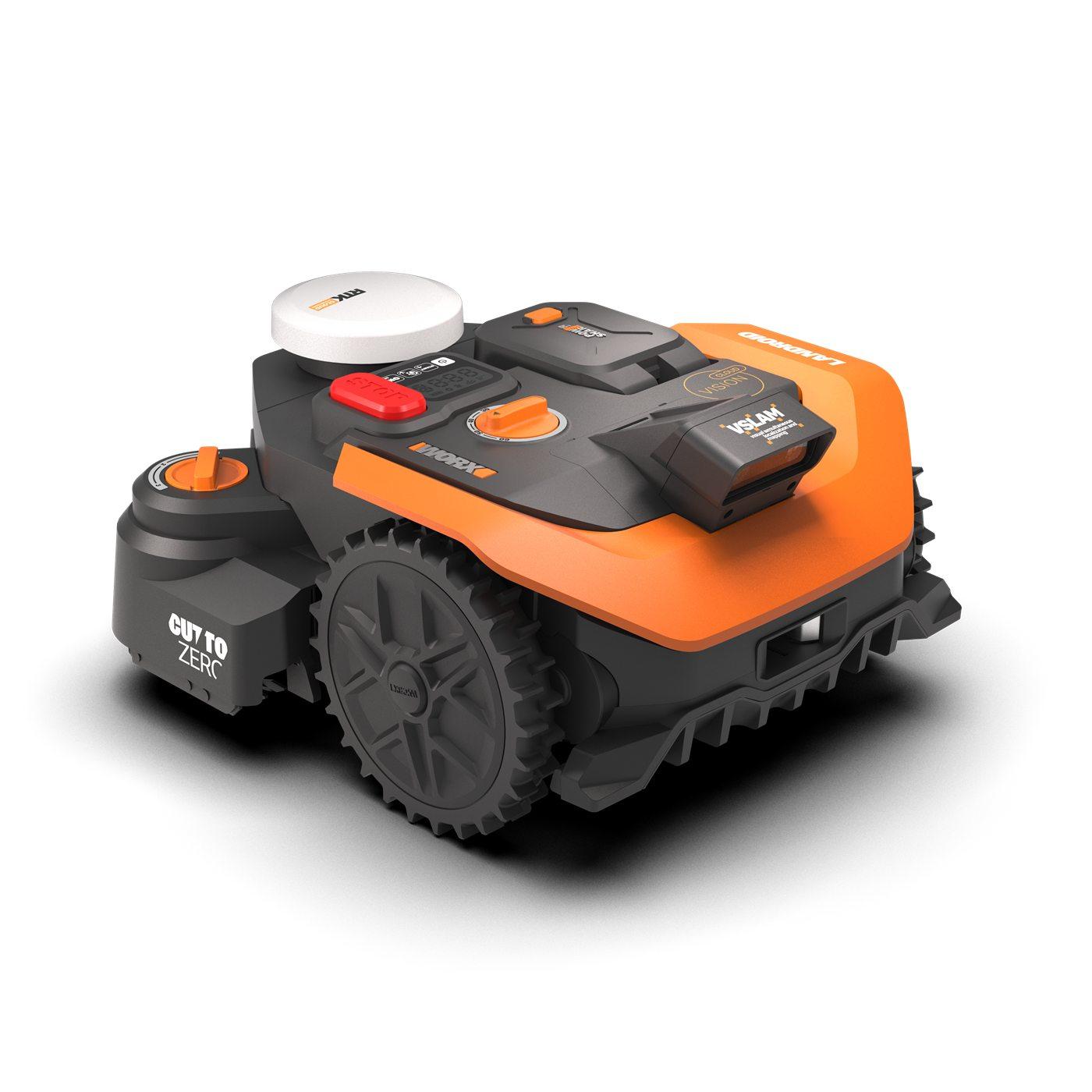
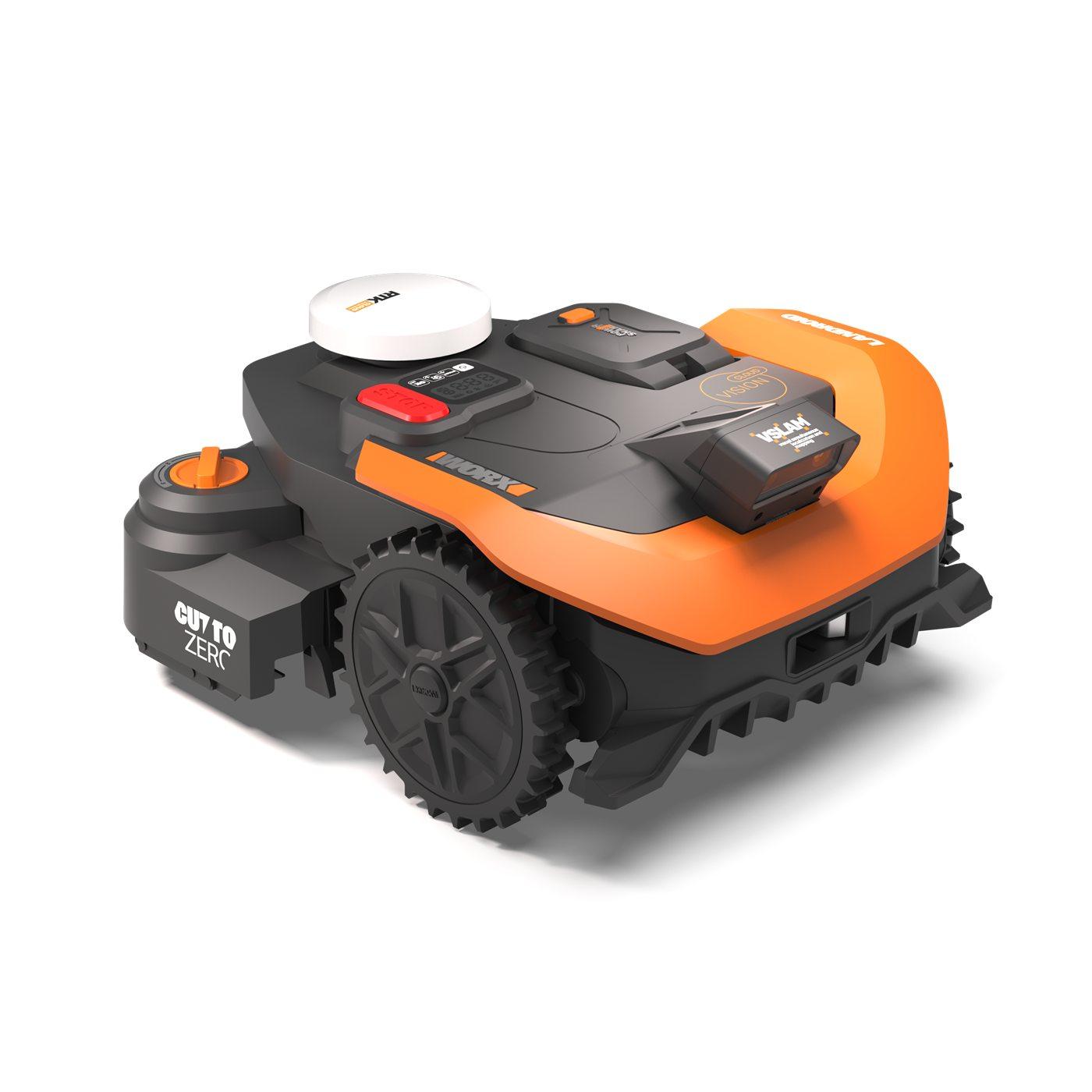
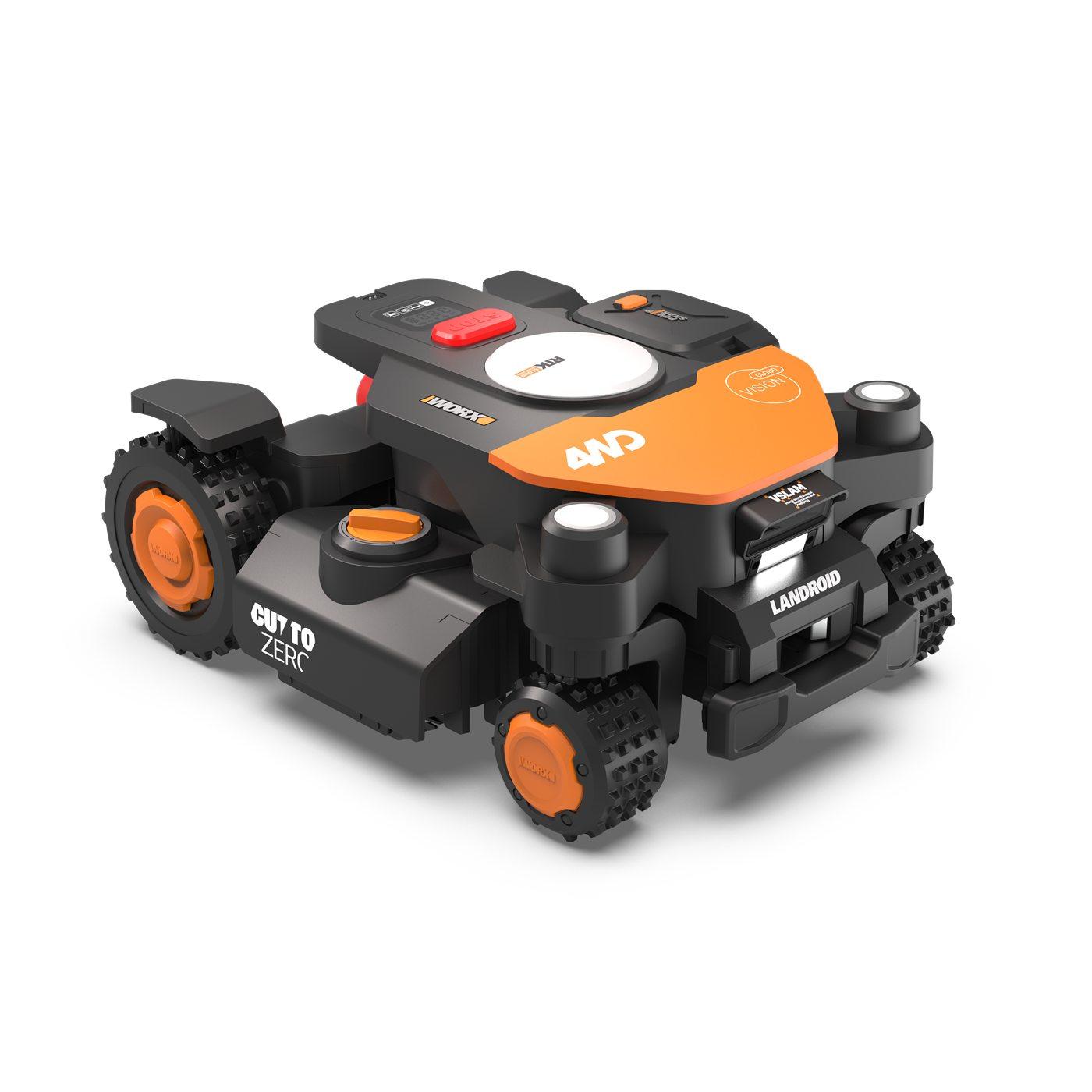
In New Zealand, Worx sells four Landroid Vision Cloud models, and only those. The WR305EA is for lawns up to 500 m², the WR308EA up to 800 m² and the WR318EA up to 1800 m². The four-wheel-drive WR344EA goes to 4000 m². None of them use a boundary wire.
Worx Robotic Mowers NZ supplies and supports them. If you want a straight answer for your place, call 0800 807 333.
Settle the slope before you compare prices. The three two-wheel-drive models are rated to 30% (17°). The WR344EA is rated to 84% (40°). A gentle bank is not a steep one. If the section falls away hard, the smaller models are the wrong tool.
It maintains. It doesn't catch up.
If the lawn is longer than the mower can comfortably take, cut it yourself before the first run. Vision Cloud maps as it travels, and long grass hides edges, toys and the line between lawn and garden. A sensible starting height makes that first map useful.
From there, the habit is frequent and light. Through a New Zealand growing season that usually means several times a week, not one weekend cut. The clippings are short enough to vanish into the lawn, which is why it looks even rather than striped and scalped. Leave it for a month in November and you're back to doing the catch-up cut yourself.
Cutting height on the WR305EA and WR308EA is set by hand, from 30 to 60 mm. The WR318EA uses the same range and adjusts it electrically. The WR344EA adjusts electrically from 20 to 70 mm. Start higher than you think. Drop it once the lawn is even.
A small backyard is not the limit.
That used to be a fair complaint. It isn't, with this range. A typical suburban lawn is a 500 or 800 m² job. A bigger property, or one with several separate areas of grass, is what the WR318EA is for. Big sections and lifestyle blocks are the WR344EA, as long as you measure the lawn you want mown and not the whole title.
Driveway, house and garden beds come out of the number. If you're between two models, take the larger one. A mower that's slightly under-rated spends its day catching up, and the lawn shows it.
The mower chooser matches size and slope for you. How to choose a Vision Cloud is the longer version of the same decision.
You don't spend a weekend laying wire.
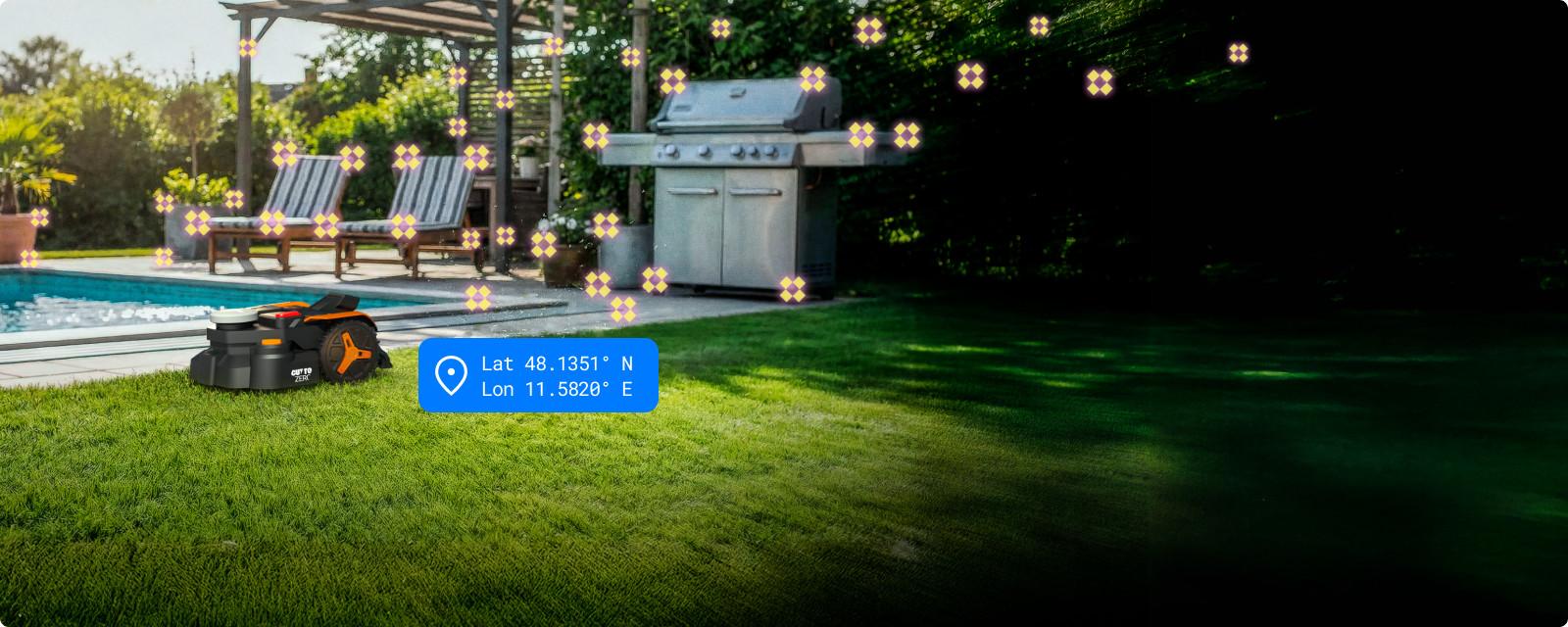
There's no boundary wire, and no antenna mast to put in the garden. Put the mower on the lawn and it builds the map. The cameras read the edges, Cloud RTK records the position, and it remembers visual landmarks so it can keep going when trees or the house weaken the satellite signal. Those corrections come from Worx's own network for the life of the mower. There's no subscription.
You still have to place the charging station properly. It needs power and a level spot, with a clear run onto the grass. Gaps between areas of lawn need to be wide enough for the mower to pass. Where a garden bed has no hard edge, the camera has less to follow. That's the job of Cut-to-Zero, which comes with the WR308EA, WR318EA and WR344EA, and is the optional WA0925 module on the WR305EA.
How Vision Cloud maps your lawn and how RTK Cloud works cover the detail.
The running cost is blades, not a plan.
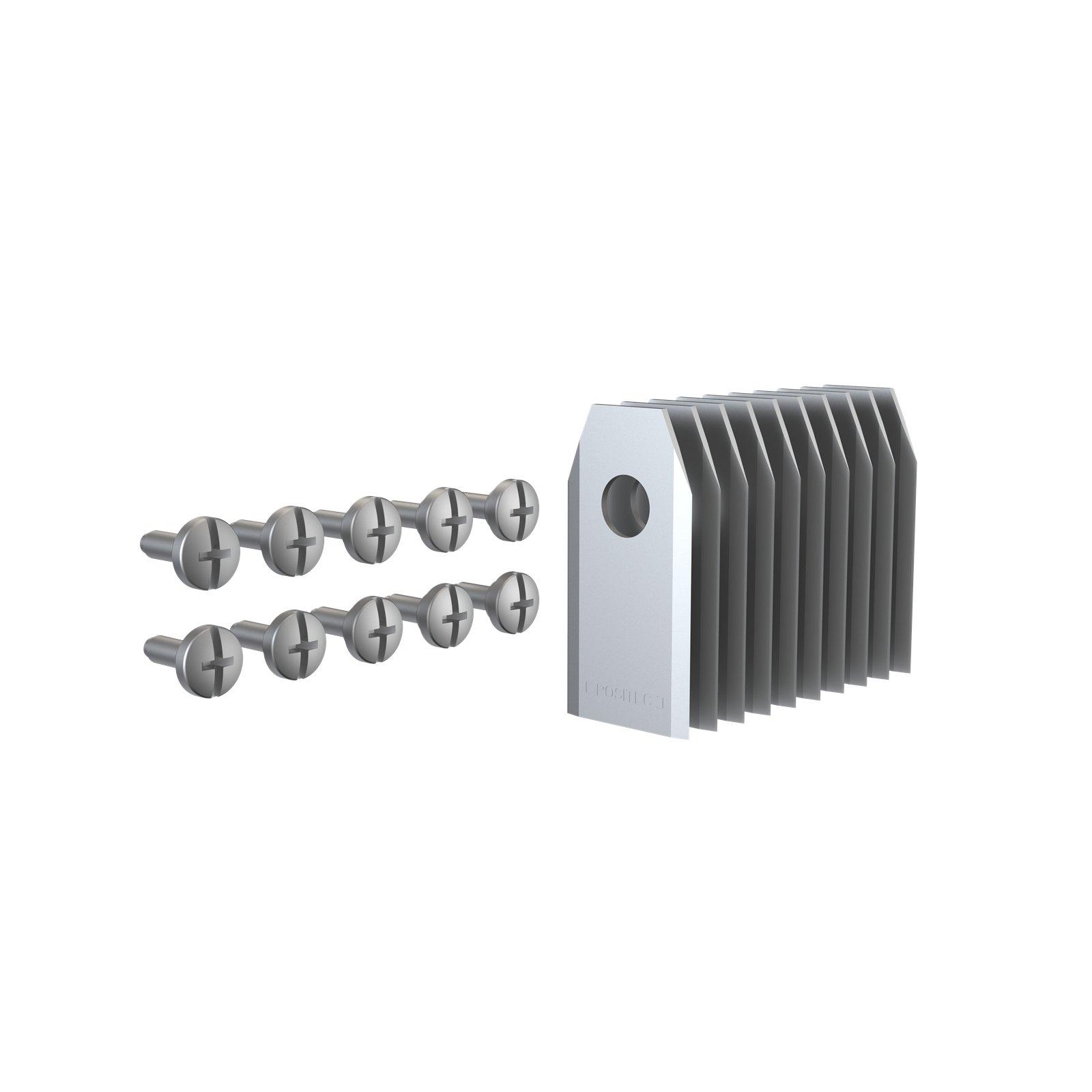
The serious money is the mower. After that, the regular spend is blades. A pack of 10 stainless blades, the WA0720, is $49. How quickly you use them depends on how often it mows, and on what the lawn hides. Sand, sticks and the odd concrete lip dull a blade faster than plain grass. There's no Cloud RTK fee on top.
They aren't maintenance-free. Wet grass packs the wheels, the deck wants a hose-off (all four decks are hose-washable), and a dull blade tears instead of cutting. Same rule as any mower. You're changing a small blade, not giving up Saturday.
Awkward gardens, and rain.
Hoses, toys, chairs and a stone path through the lawn are normal. Vision Cloud treats anything that isn't grass or leaves as something to go around, rather than matching a list of objects it has been told about. More than one area of lawn is handled as separate zones. It won't invent grass that isn't there. If the lawn is mostly moss, bare soil or weeds, you'll be disappointed, and it's better to know that before you buy.
Rain is the other one people get wrong. All four models have a rain sensor, and they can go out in the wet. You usually shouldn't let them. Wet grass tears, the finish looks ragged, and disease gets an easier start. A showery week is a reason to pause the schedule until the lawn dries. It isn't a sign the machine has failed.
Night mowing is a separate question. In the dark the cameras can't see, which matters if you have hedgehogs. FiatLux headlights come with the WR344EA, and the WA0920 kit adds them to the other three. Why mowing after sunset suits a lawn is the longer explanation.
The decision.
How does it find its way? The cameras, Cloud RTK and the landmarks it stores. The app is where you set the schedule and the zones. You are not drawing a route with a wire.
Which one should I buy? Match the rated area to the lawn, and the slope to the drive. Under 30%, pick the smallest model that covers the area. Steeper than that, it's the WR344EA, up to 4000 m².
It's worth buying when you want the lawn kept, and you'll let it work little and often. It's a poor buy when the grass has been left and you want it sorted in one pass, or when the slope is past 30% and you were hoping a two-wheel-drive model would cope.
If you want us to look at the section with you, call 0800 807 333 or run it through the mower chooser.
- #Explainers
- #Tips & Advice
Products in this article
Keep reading
 Robotic mowers · Learn & discover
How Vision Cloud maps your lawn automatically
Put it on the lawn and Vision Cloud does the rest. Here’s how stereo vision, RTK and V-SLAM build a map with no driving or tracing.
7 November 2026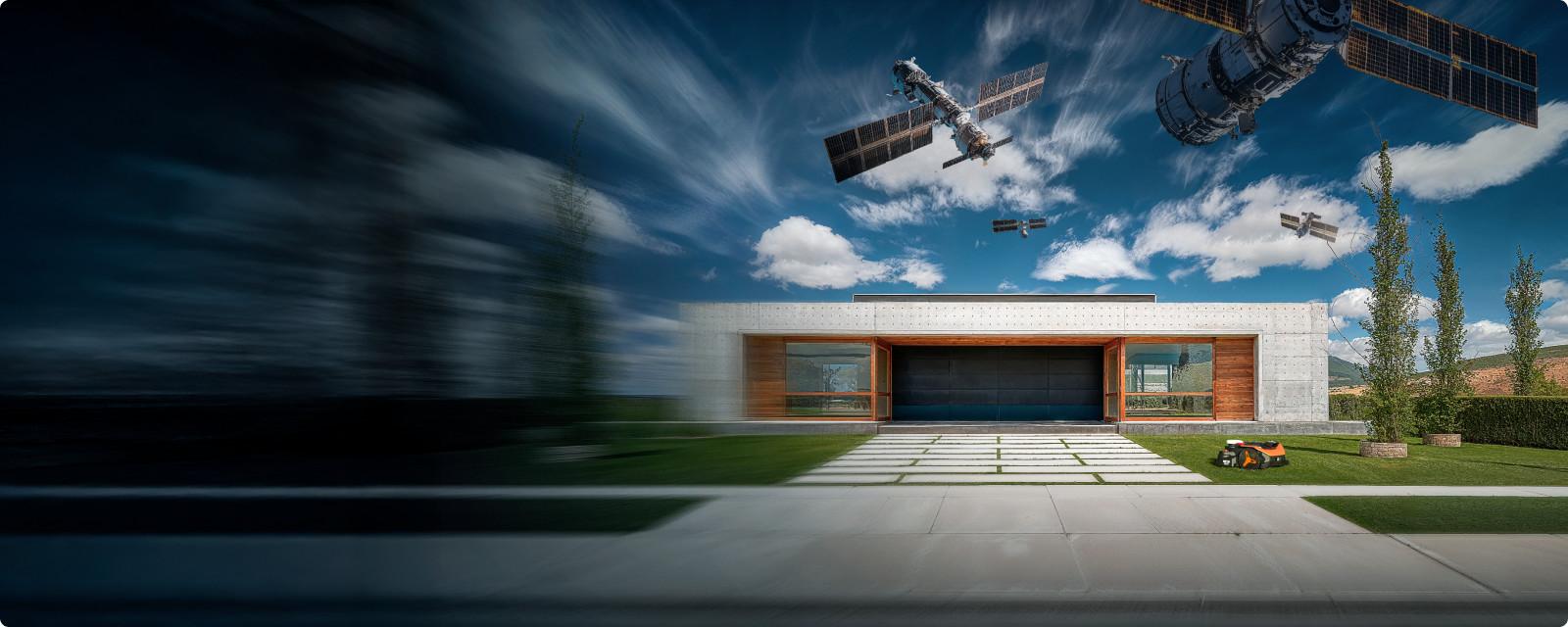 Robotic mowers · Learn & discover
How RTK Cloud works, and why there’s no antenna to install
Most RTK mowers need a base-station antenna at home. Vision Cloud gets its corrections from Worx’s own network instead. Here’s the difference.
7 November 2026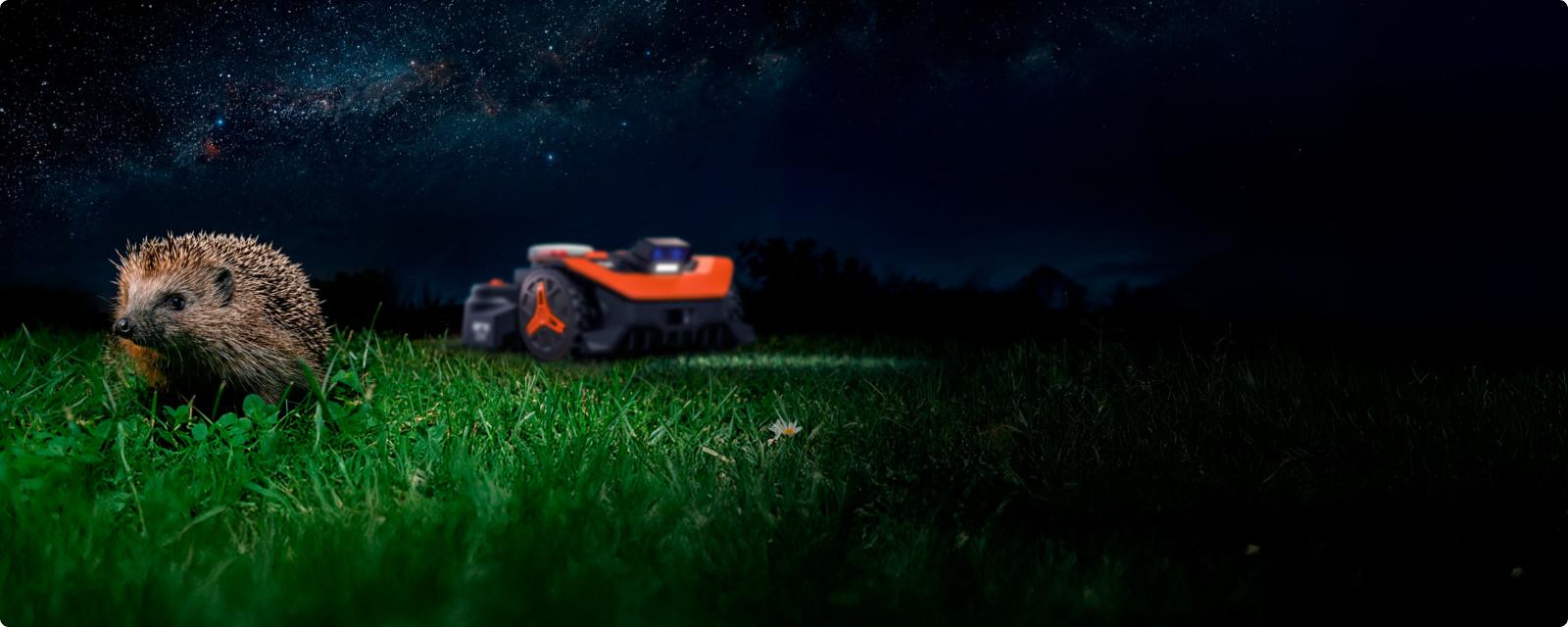 Robotic mowers · Learn & discover
Why mow after sunset? Evening mowing and a healthier lawn
In a hot New Zealand summer, mowing in the evening is kinder to your lawn. Here’s why, and how to do it safely for hedgehogs.
7 November 2026