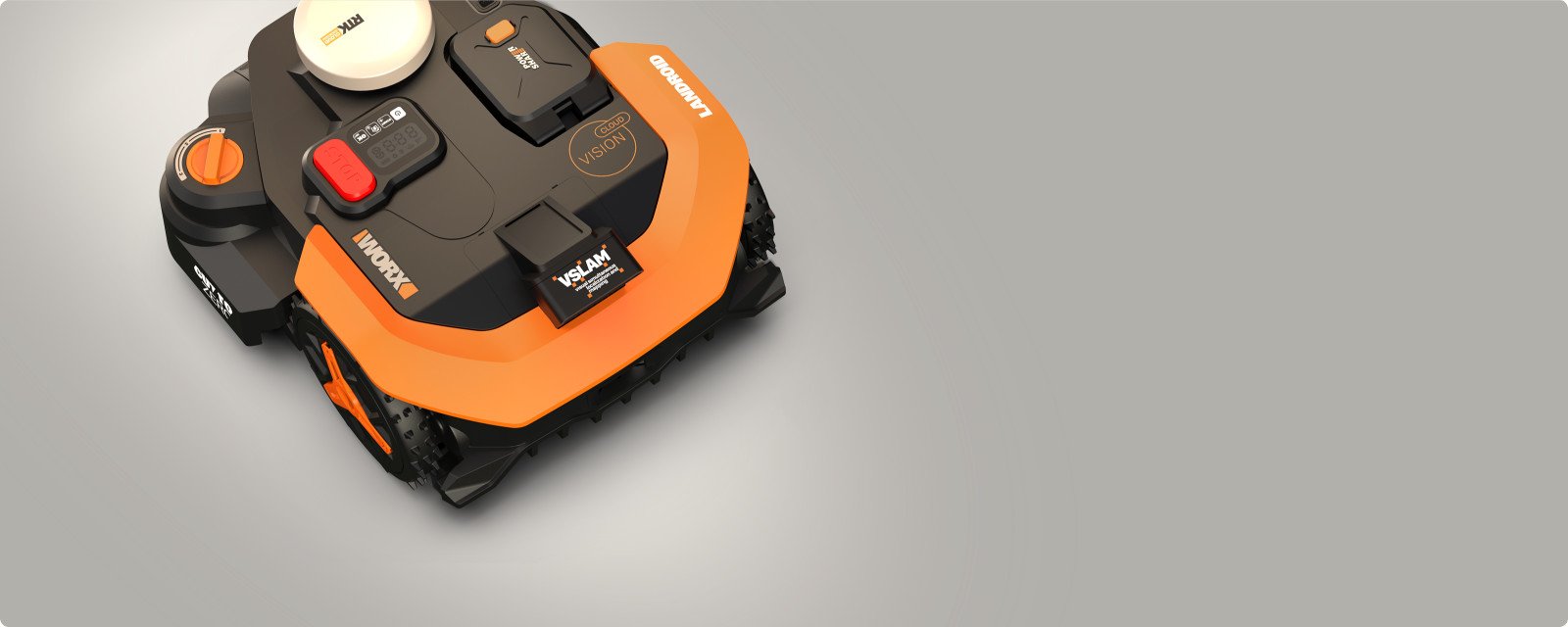
How Landroid’s vision AI learns
Why millions of real-world mowing hours make Landroid Vision Cloud better at reading a lawn than mowers trained on staged photos.
7 November 2026
Landroid Vision Cloud uses cameras and AI, not a boundary wire, to understand your lawn. How well it does that comes down to how its AI was trained.
How Landroid learns
Landroid’s vision AI is trained the same way people learn to recognise the world: by observing it. Real-world images, gathered across millions of mowing hours, refine the neural network, leading to better detection, better navigation and better decisions.
Why real-world data matters
Newly designed robotic mowers often rely on stock photos, staged scenes or synthetic images to train their AI. But real lawns aren’t staged. Light changes, shadows drift, textures vary and objects turn up unexpectedly: the kind of natural complexity no simulator can truly capture.
Experience you can trust
Because Landroid was the first vision-driven mower on the market, it has years of real-world data that others simply don’t have. That’s experience it will take them millions of mowing hours to match.
What it means on your lawn
- Anything that isn’t grass. Rather than working from a list of known objects, Vision Cloud treats anything that isn’t grass or leaves as something to avoid. No lists, no limits.
- Changing seasons. The AI understands seasonal change, so autumn leaves don’t stop it.
- Mixed surfaces. It recognises grass even where it meets stone, keeping the turf between pavers trimmed.
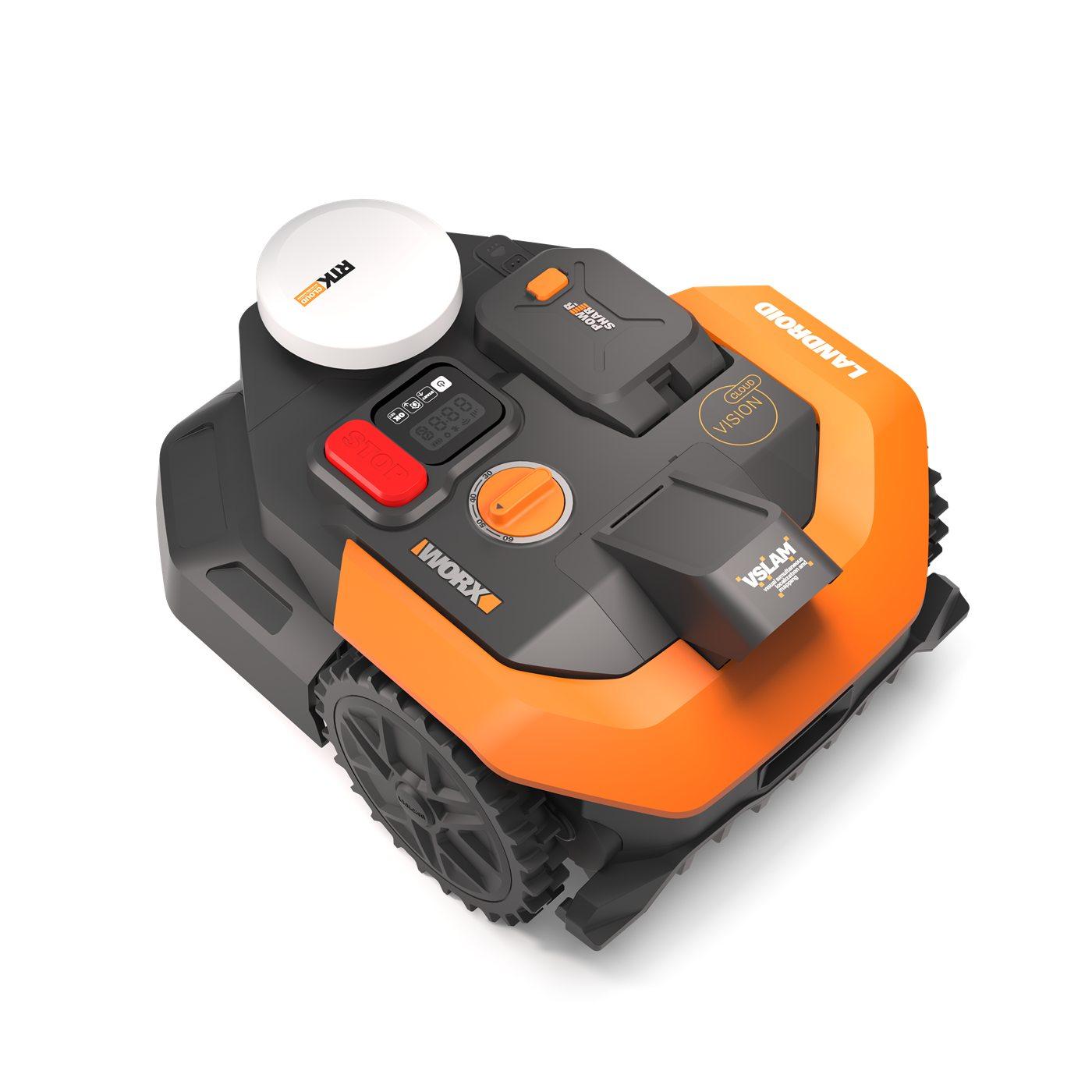
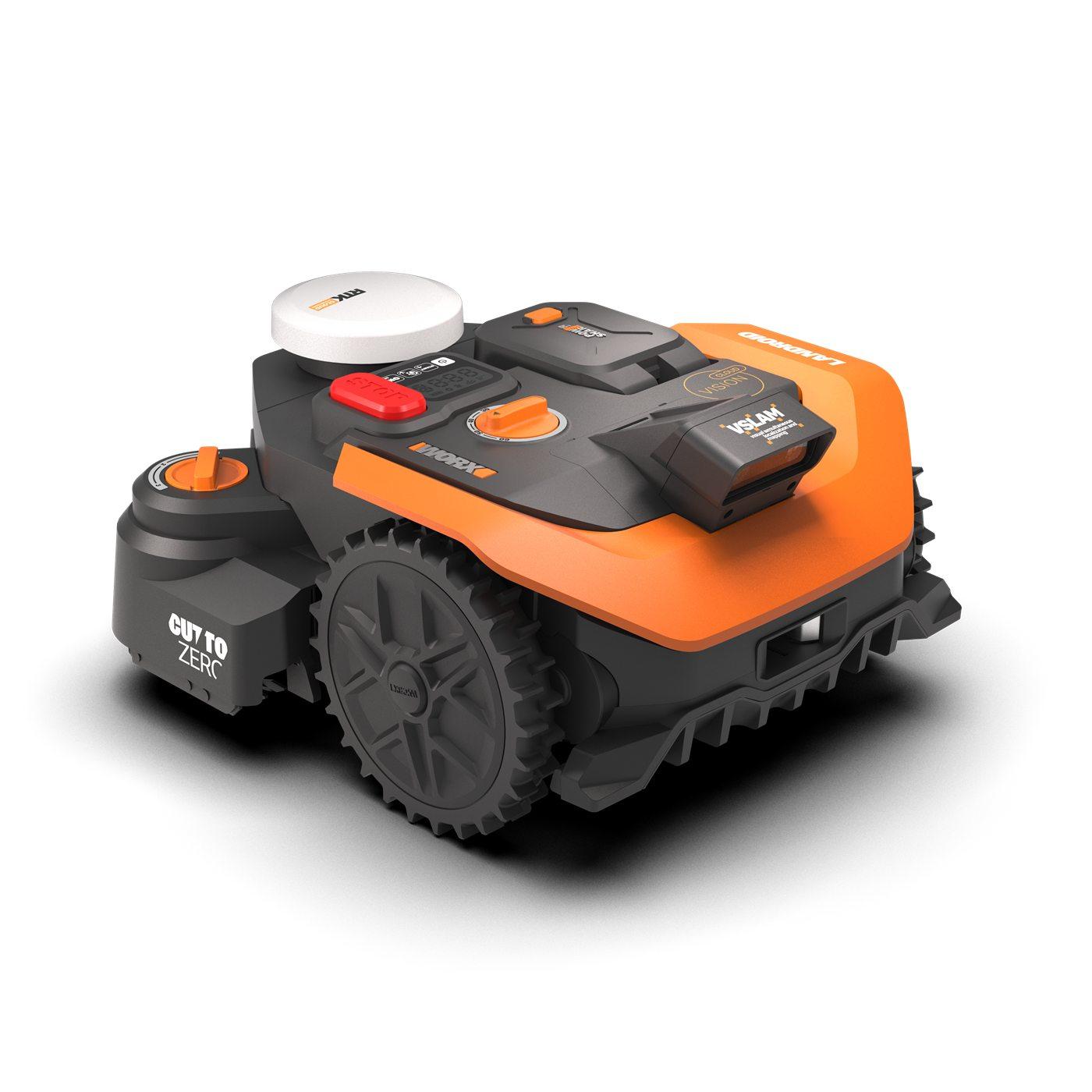
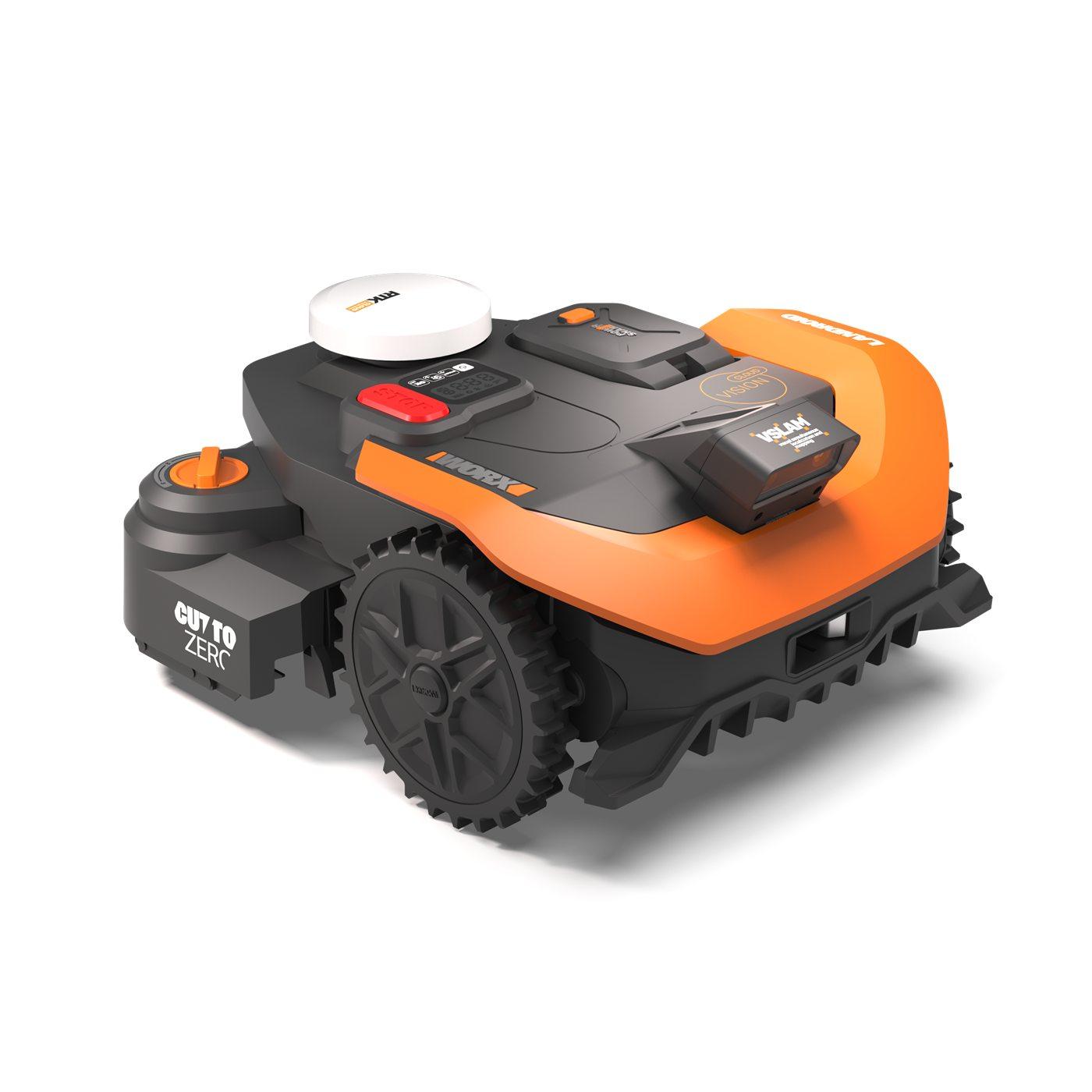
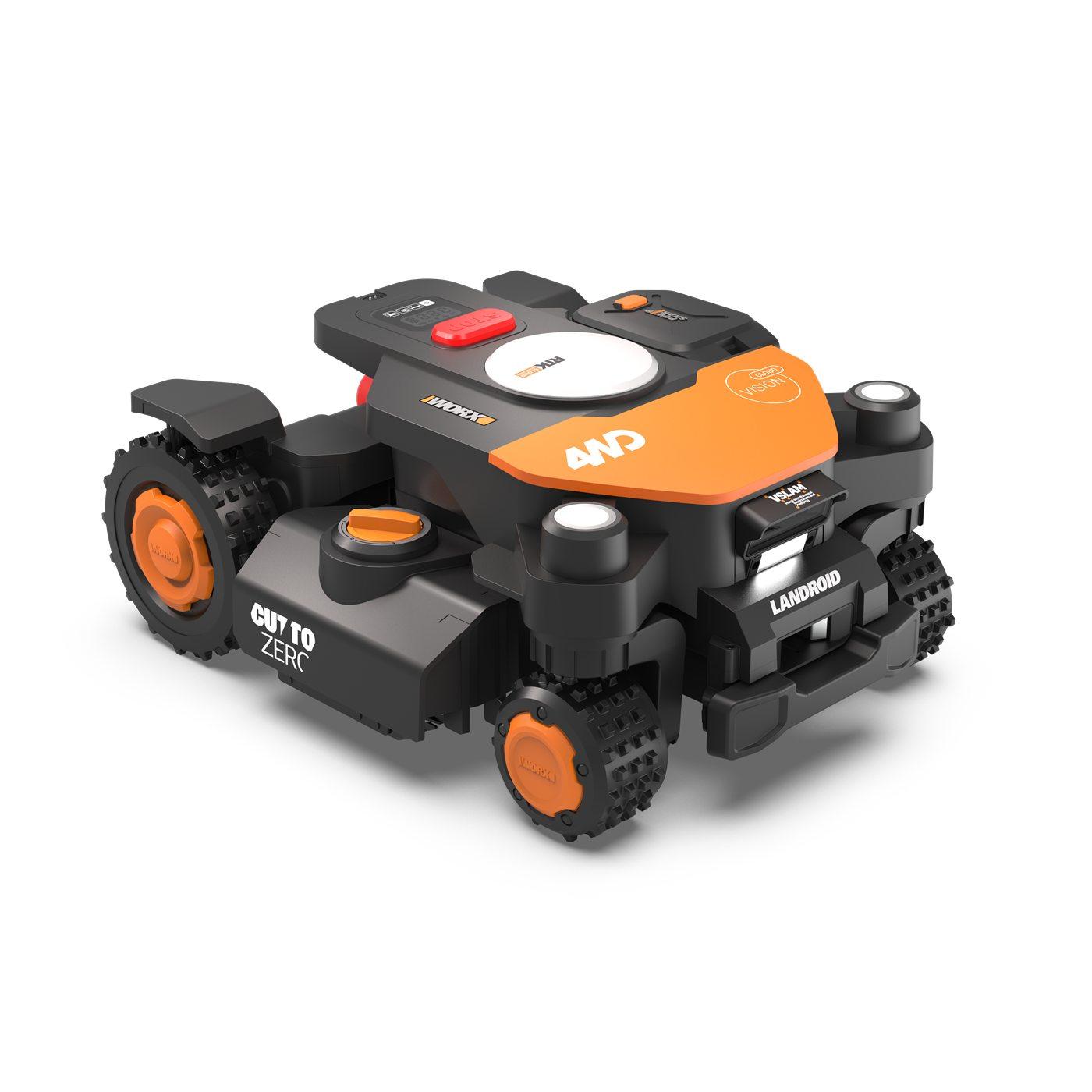
All four New Zealand models, the WR305EA, WR308EA, WR318EA and WR344EA, use the same Vision Cloud AI.
Products in this article
Keep reading
 Robotic mowers · Learn & discover
How Vision Cloud maps your lawn automatically
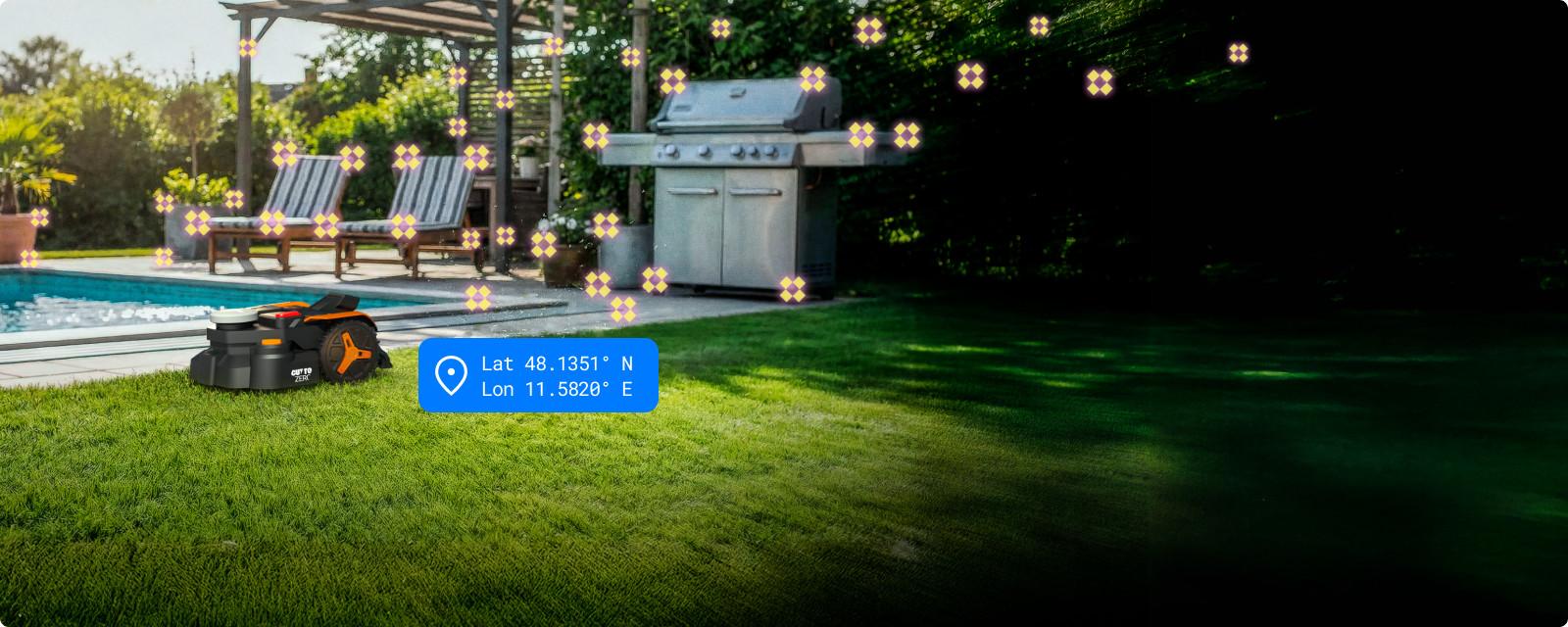
Put it on the lawn and Vision Cloud does the rest. Here’s how stereo vision, RTK and V-SLAM build a map with no driving or tracing.
7 November 2026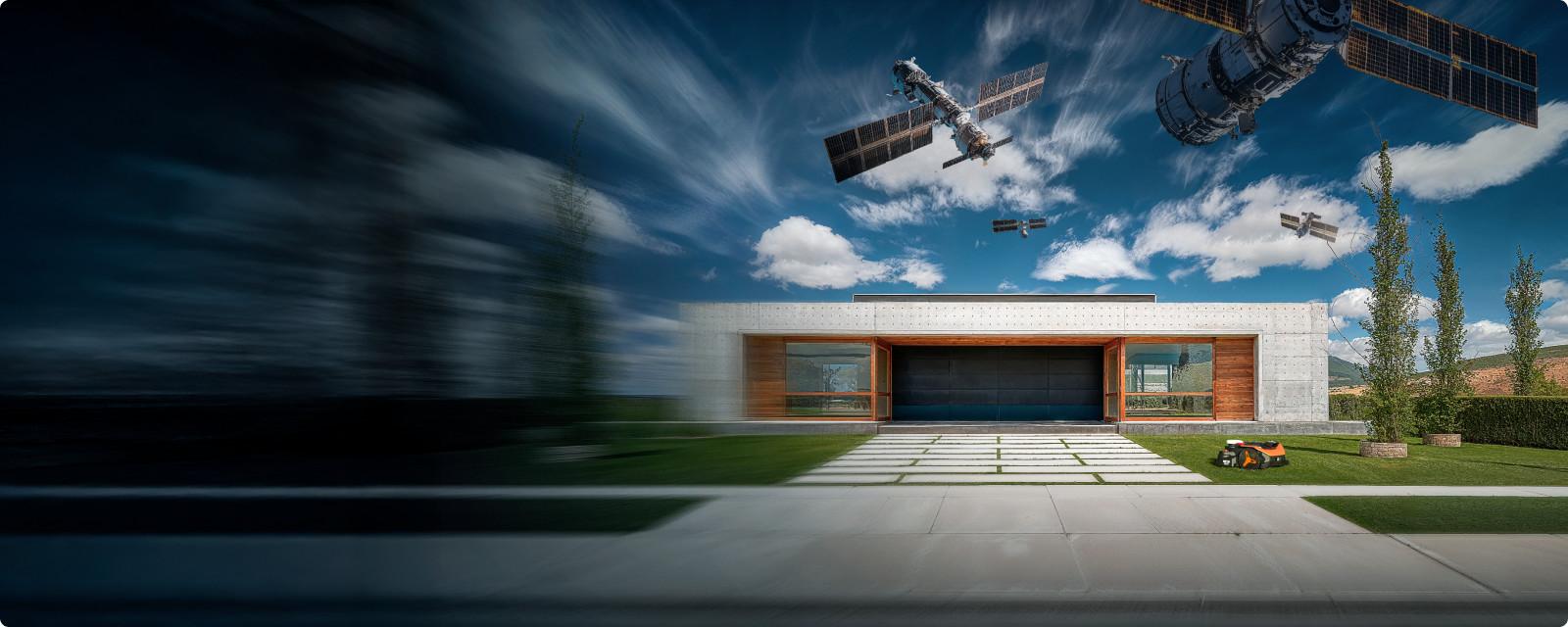 Robotic mowers · Learn & discover
How RTK Cloud works, and why there’s no antenna to install
Most RTK mowers need a base-station antenna at home. Vision Cloud gets its corrections from Worx’s own network instead. Here’s the difference.
7 November 2026 Robotic mowers · Learn & discover
What Vision Cloud does when the satellite signal drops
Trees, walls and pergolas can weaken satellite signals. Here’s how Vision Cloud keeps mowing accurately until they come back.
7 November 2026